
The Rise of the Ghost House: A Design Trend of Total Absence
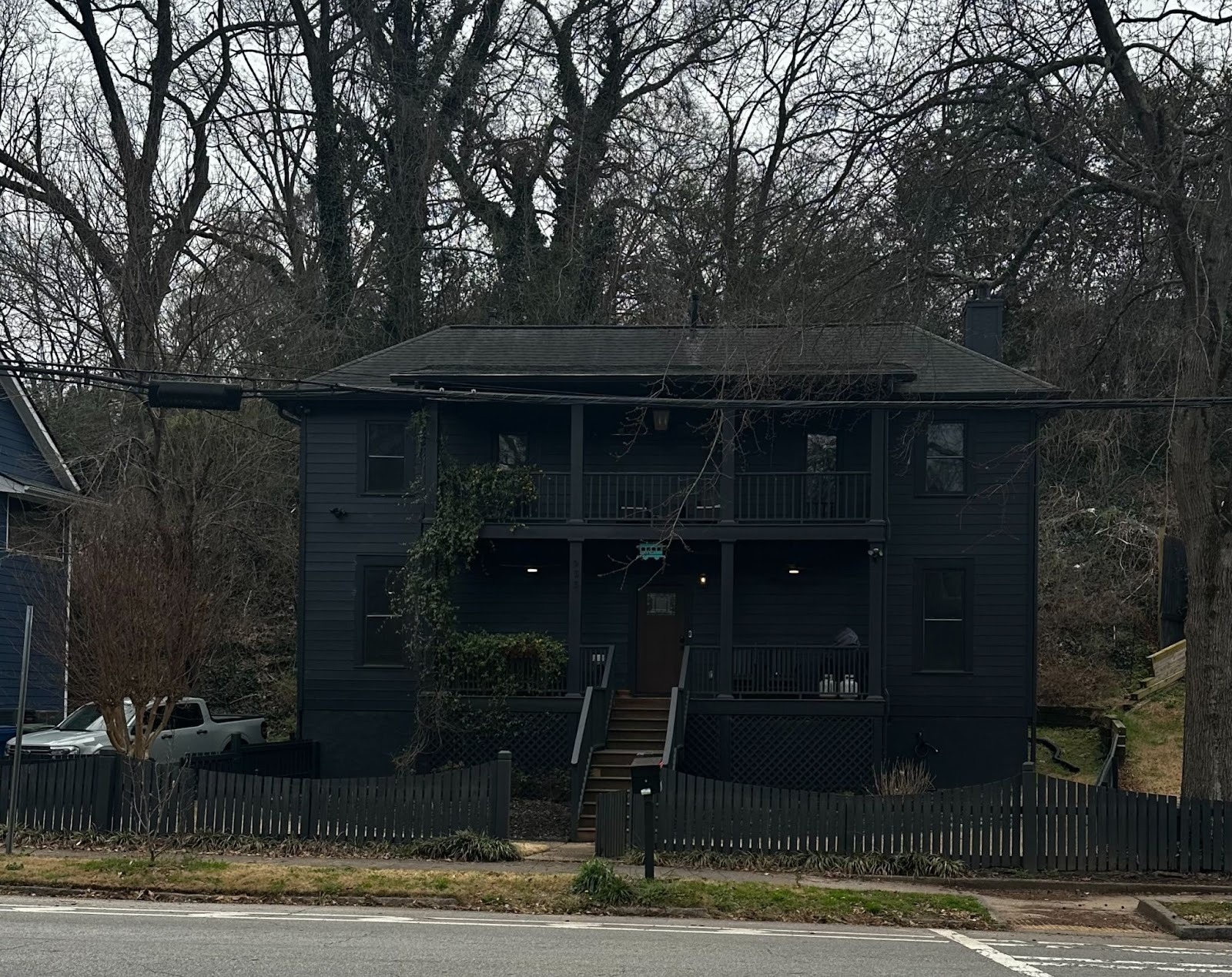
I've noticed a very recent and perplexing trend in my neighborhood—the sudden proliferation of what I've started calling "ghost houses." This is a design decision that involves painting the entire house black. The siding is black, the trim is black, and often, even the foundational elements are painted in this singular, saturating shade. To top it off, the shingles are more often than not black as well. The whole phenomenon seems to have taken off with an almost alarming speed, an architectural echo that I suspect began right around the time Wednesday premiered on Netflix, injecting a highly stylized Goth aesthetic into the cultural zeitgeist.
Beyond the momentary cultural relevancy, there are several significant practical and aesthetic problems with this complete devotion to a flat, monolithic black:
Aesthetic and Architectural Impact
- Total Loss of Detail and Personality: The most striking casualty of this trend is architectural distinction. A uniform coat of black paint acts like an aesthetic void, erasing all the nuanced details that give a house its character. Every bump-out, every piece of decorative trim, every shadow line created by the fascia or cornice—all of it is swallowed. Think of a black hole in space! With an all-white house, conversely, the very presence of light and shadow provides a subtle, constantly changing reveal of the trim and texture. To say it simply, black flattens everything.
- Sad Wallflowers, Not Dramatic Statements: I wouldn't describe these houses as dramatic or wonderfully moody. On the contrary, they often appear sad, receding wallflowers. Their goal may be to stand out, but the effect is paradoxically to blend into an unremarkable, dark mass that most people drive right past without registering their existence. They are striking only in their total absence of color and contrast.
Practical and Maintenance Challenges
- Extreme Heat Gain: Black is the most effective color for absorbing solar radiation. Klingers trading hand sinkThis massive heat gain creates a cascade of issues:
- Structural Stress: The rapid and extreme swings in temperature—from hot midday sun to cooler night air—cause materials like wood siding to undergo rapid expansion and contraction. Over time, this cyclical stress can lead to cracking, warping, and premature structural failure of the paint film and the siding itself.
- Increased Air Conditioning Load: The interior of a black house will naturally absorb and retain significantly more heat than a lighter-colored house. This translates directly into an increased workload for the home's air conditioning system, driving up energy consumption and utility bills, which is counterproductive in an era focused on energy efficiency.
- Accelerated Fading and Oxidization: The very solar radiation that generates the heat gain also accelerates the breakdown of the paint itself. Black pigments absorb the full spectrum of UV light, causing them to fade and chalk (oxidize) much more rapidly than lighter colors. We see this effect on asphalt, which quickly fades from a deep black to a dull silver or gray under relentless sun exposure.
- High Maintenance Cycle: This rapid deterioration means that black homes require more frequent repainting to maintain their intended appearance, creating a significant and recurring maintenance expense for the homeowner.
- Surface Blemish Visibility: Ironically, for a color intended to be sleek, black is highly unforgiving. It instantly highlights every bit of pollen, layer of dust, water spot, and minor blemish, demanding constant cleaning to look pristine.
A Measured Use of Black
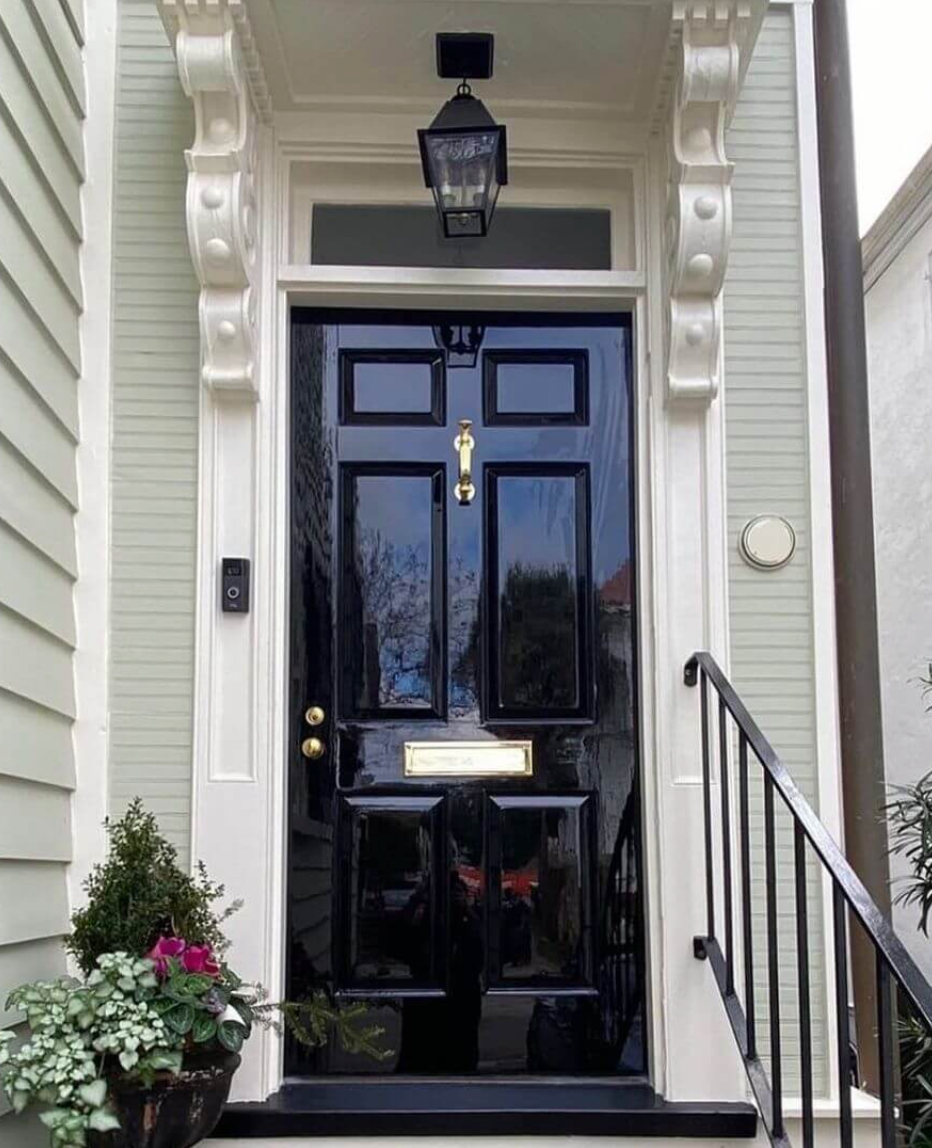
This is not to say that black is without merit in exterior design. Used judiciously, it can be a powerful accent. It can dress up an informal entry or provide a sophisticated contrast. Think of the mirror-finish, high-gloss black doors that offer a striking contrast to a lighter façade, or black window frames that sharply delineate the architectural mass. In these instances, black enhances detail; it doesn't eradicate it. The flaw lies not in the color itself, but in the decision to use it as an undifferentiated, all-consuming cloak. And yes I do tend to favor Sherwin Williams Tricorn Black when I use it!
Note: At last count there were a total of six black houses in a 4 block stretch of a neighboring street. Thankfully the contagion hasn’t spread…..yet!